Just what is a semi-precious stone?
I am always learning about stones myself and enjoying it every minute.
...........................................................................
Agate
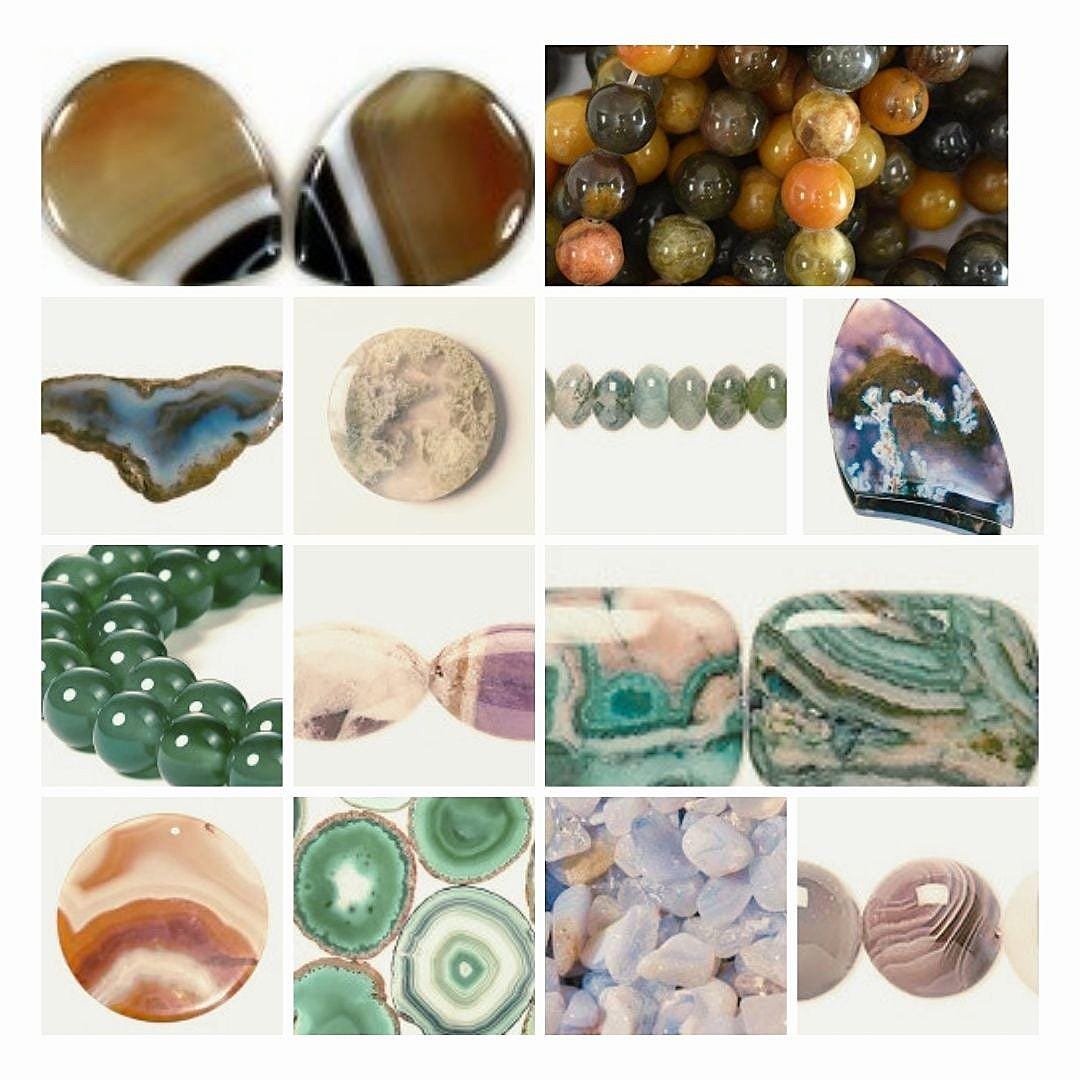
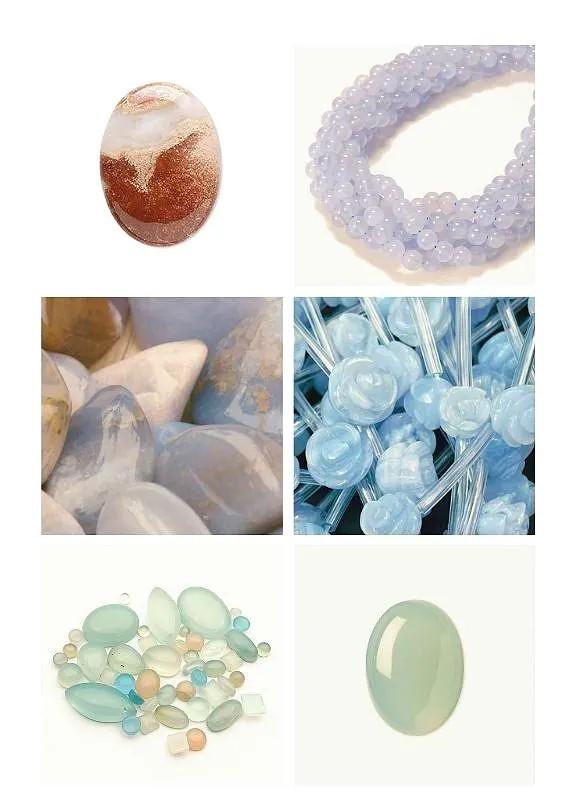
One of the most widespread semi-precious stones. It occurs in a variety of colors and textures. Real agate has gentle natural colors such as white, milky-brown, pale yellow, pale orange, reddish-brown and sometimes light blue. Among a few other soft colors. It is also a dense stone which makes it have a substantial weight to it. It is also translucent with layers the let light go through it. It is composed o tiny quartz crystals. Mohs Hardness of 7. It is not easily scratched. There are so many types of Agate out there I have made a short list of some. Blue Lace Agate, Dendritic Agate, Blue Agate, Botswana Agate, Flower Agate, Holly Blue Agate, Moss Agate, being the most commonly known varieties. I could fill a couple pages full of pictures of the various Agates available on the market today. These are just a few examples.
Amazonite
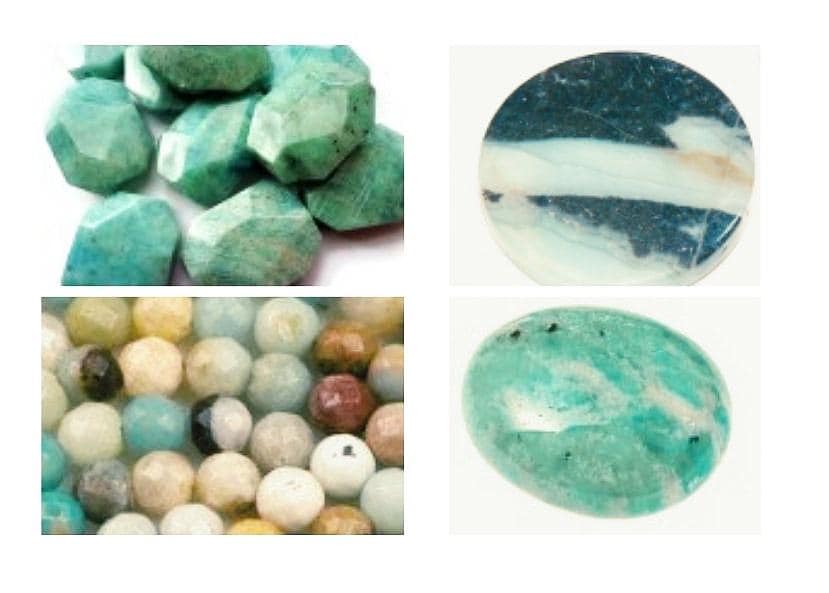
This name is the modern name for Microcline or Green Feldspar. This is a very old gemstone that is know for it's beauty. It has been called many names and has been in use since at least the time of the Pharaohs. Interestingly a piece of jewelry was found in the tomb of King Tutankhaum approx 1300 BC. There were two ancient mines discovered in 2006 Egypt dating back to 1800 BC. Many things are created from this stone including statues and jewelry. Amazonite comes in several colors, pale green, opaque green, blue green, turquoise blue, and yellow-green.
Mohs Hardness 6 - 6/12
Amethyst
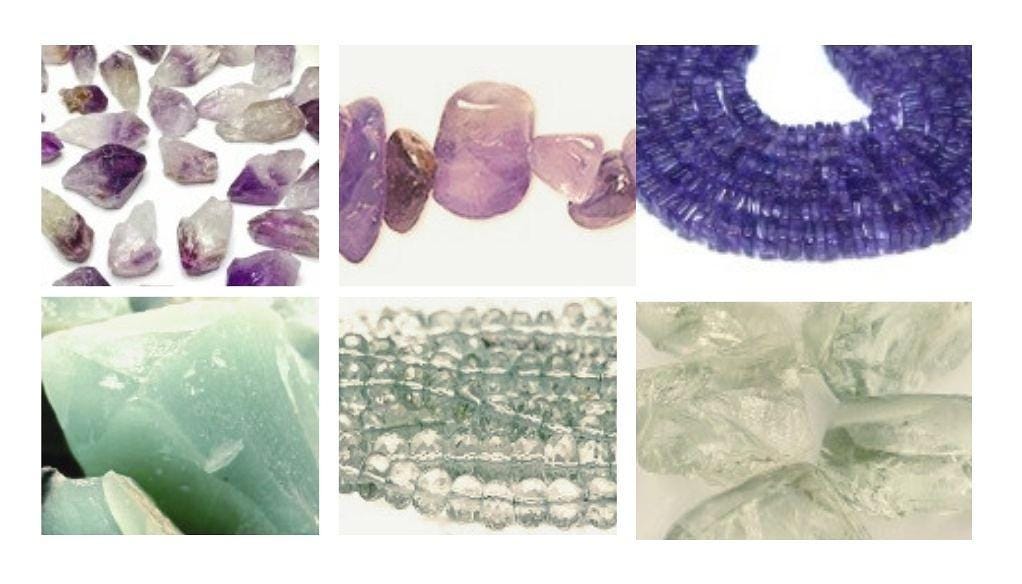
Amethyst is the world's most popular purple gem. It is the purple color variety of quartz that has been used in personal adornment for over 2000 years.
Mohs hardness of 7
What is Green Amethyst Green amethyst refers to a light green and transparent gemstone belonging to the mineral family of Quartz. It is also known as Vermarine, lime citrine, and more commonly Prasiolite, which is a more apt name for the green form of amethyst.
Ametrine
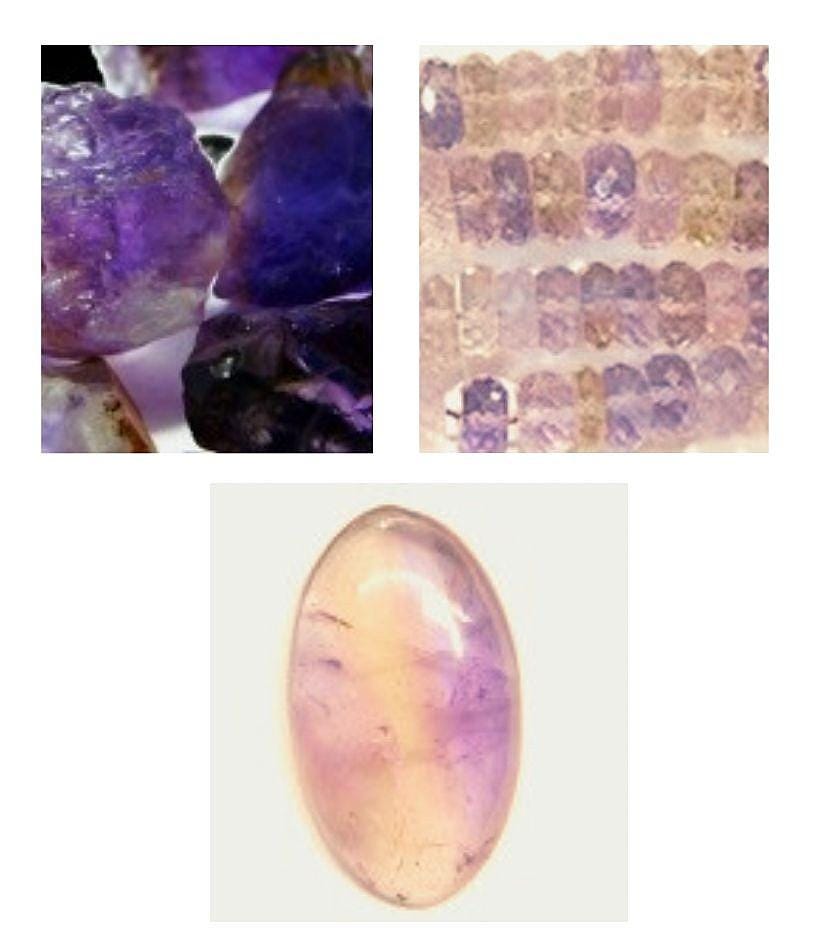
Many people have not heard of this gemstone, Ametrine. Ametrine is rare and is only produced from one source. This stone is a combination of purple and Citrine quartz. Gem-quality ametrine is sourced from only a single site in Bolivia. The mine was rediscovered after three centuries. The stones began to appear on the market again in the 1970's. Today the mine named Anahi produces natural amethyst and citrine. The two gemstones Amethyst and Citrine are combined and created the name Ametrine. Sometimes this stone is known by others names, "amethyst-citrine," "trystine," "bicolor amethyst" and "bicolor quartz".
Mohs Hardness of 7
Angelite
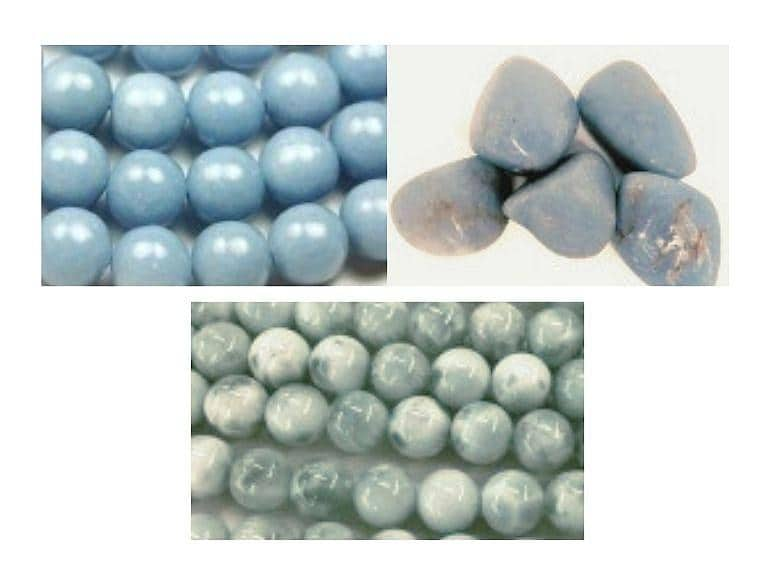
It is said this stone also known as Blue Anhydrite was first discovered in 1989. Only found in Peru. The name Angelite comes from a Greek word, anhydrous that means "without water". This stone has unique physical property as a dehydrated gypsum. The stone mainly crystallizes in the form of masses and is rarely seen in crystal form.
Mohs Hardness of 6 to 7
Apatite
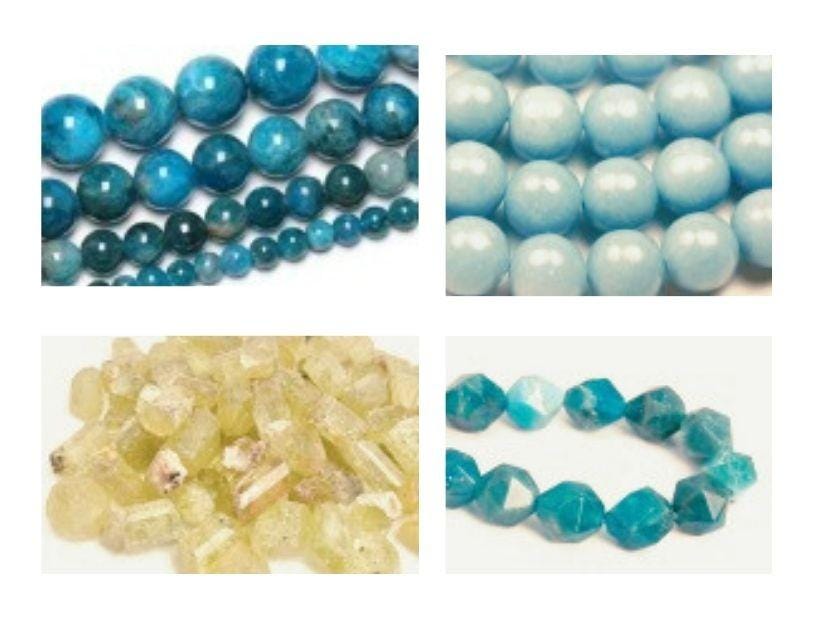
This gemstone has an interesting meaning to it's name. Apatite is derived from a Greek word meaning to deceive or cheat. It was named this simply because the stone resembles other stones.
This is a calcium phosphate mineral found in variety of colors such as yellow, blue, green, gray, and brown. The most important colors for metaphysical use are blue, green, and gold. This stone was first discovered in 1786. The largest Apatite deposit is in Russia but smaller deposits can be found in Brazil, Burm's, Madagascar and Mexico. Mohs Hardness of 5
Aquamarine
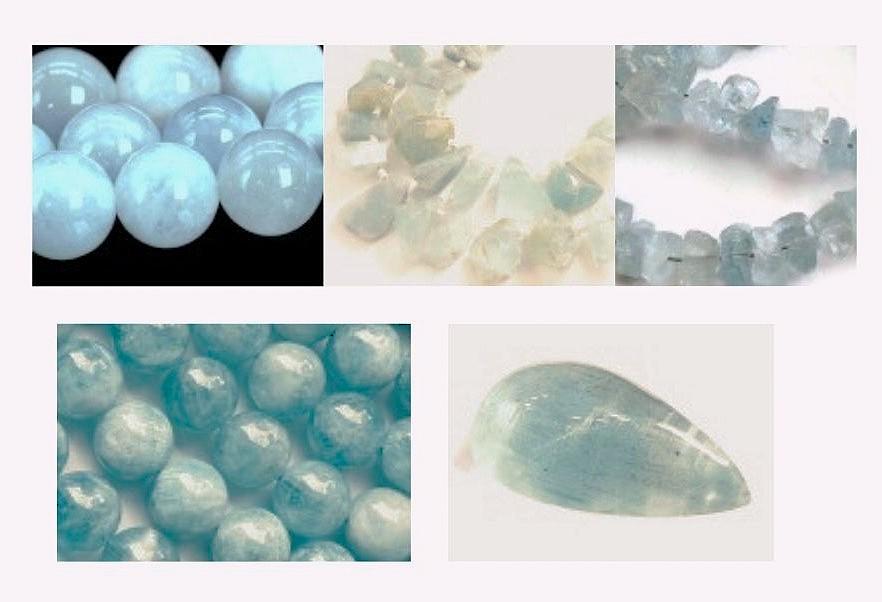
This stone is a soft pale blue and is of the Beryl family of gemstones; this includes Yellow Beryl, Emerald, Morganite and Goshenite. It is known as the gem of the ocean. This stone has been used in jewelry since at least 500 BC. The beautiful colors remind us of a clear blue ocean or lake.
Mohs Hardness of 7.5 - 8
Aragonite
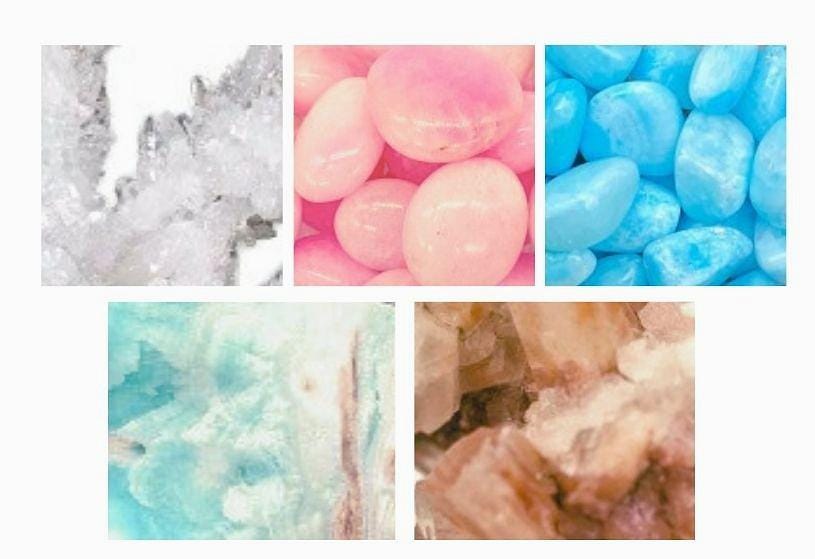
Also known as tufa and Tchazar crystal. It was first discovered in 1788 at the Aragon River in Spain. It is found in stalactites or around natural hot spring. It is an interesting stone with the branch like crystal formations it contains. It is also found in the lining of Mollusk shells. The thin layers of this stone give the abalone shell the pearl-like luster. Over time, the aragonite will re-crystallize into a more stable form of calcite to forever preserve the hard materials . Because it is a soft stone it needs to be carefully cared for.
Mohs Hardness of 3.5 -4
Aventurine
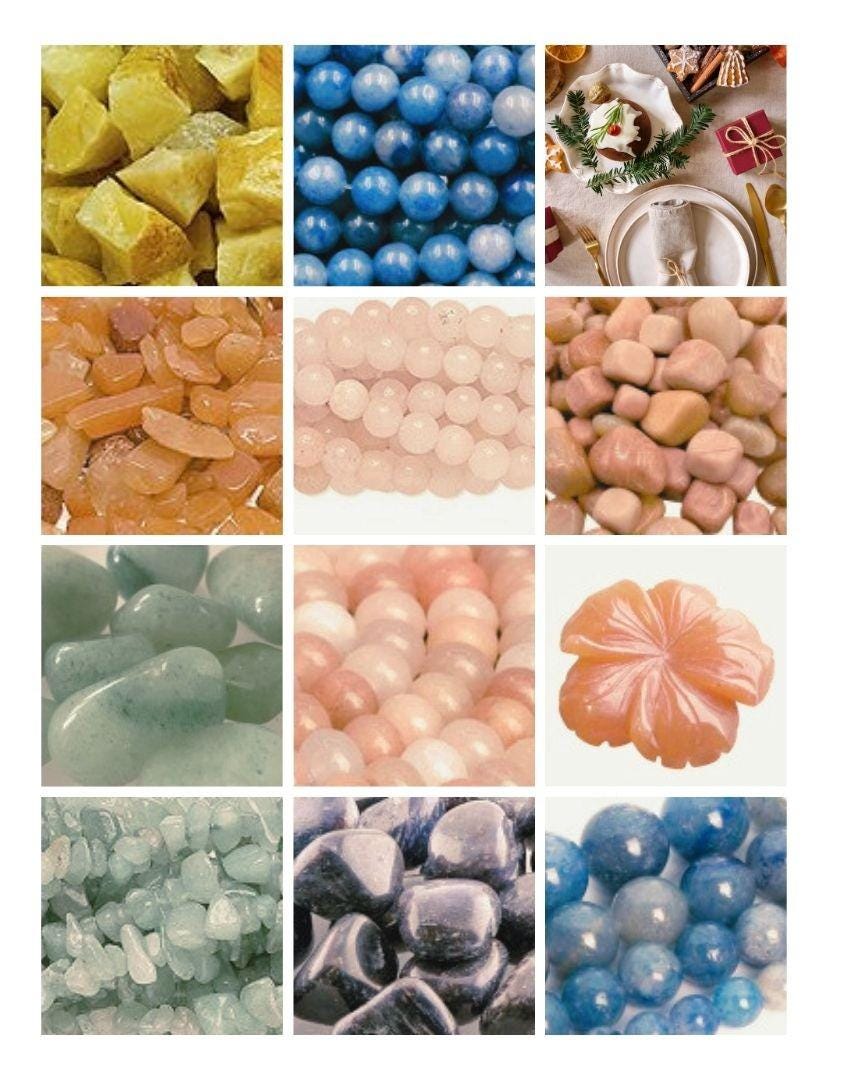
This stone is a silicate gemstone made up of quartz and feldspar. The stone has many colors. Colors: usually green. Also orange, yellow, red, pink, purple, white, brown, blue, gray. The stones have tiny inclusions that create a glittering effect. The specific type of quartz in aventurine is chalcedony, a microcrystalline form of silica. The feldspar side is from the presence of plagioclase, a rock-forming silicate mineral.
Mohs Harness of 6.5 -7
Beryl
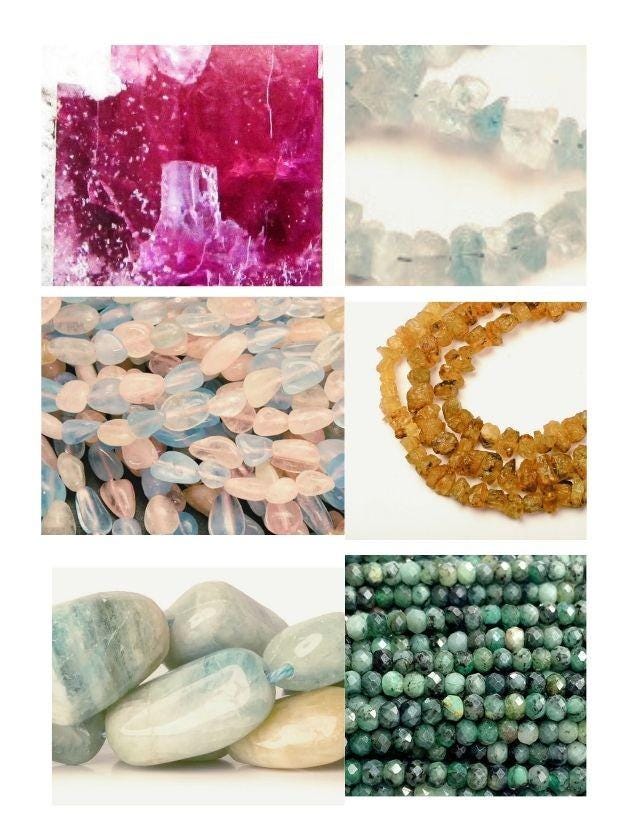
Beryl has a large assortment of colors. Look at the picture and see how many I have placed here and there are more colors. Beryl is most know for Aquamarine and Emeralds. There are some stones they refer to as Precious Beryl because of their quality.
-Emerald, the green variety, is one of the more expensive and popular Beryl Stones
-Aquamarine, the blue to blue-green and is very popular.
-Morganite, Pink to light-purple.
-Aquamarine, the blue to blue-green and is very popular.
-Goshenite is the white to colorless variety of Beryl.
-Red Beryl, also known as Bixbite, is a rare, deep red variety found only two localities in Utah.
-Heliodor is yellow to greenish-yellow variety as well as some with orange and brown.
Mohs Hardness of 7.5 to 8
Bloodstone
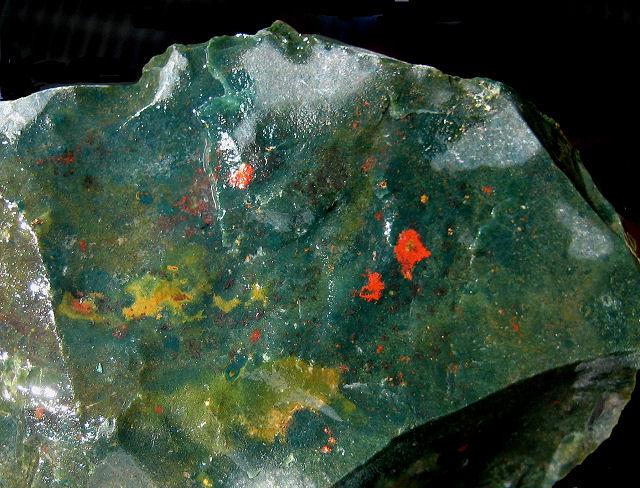
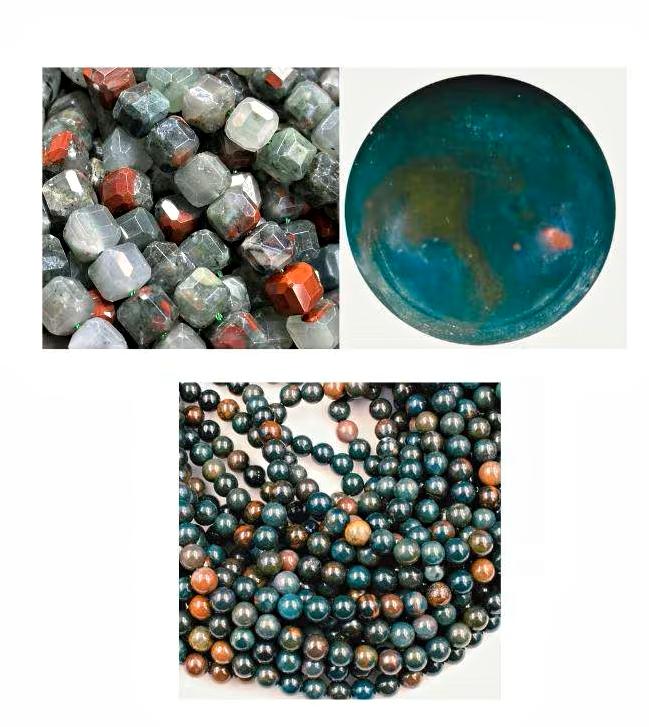
Heliotrope / Bloodstone Heliotrope, commonly known as bloodstone, is a dark green variety of chalcedony (microcrystalline quartz) characterized by distinctive red or reddish-brown spots of iron oxide or jasper that resemble drops of blood, giving the stone its dramatic appearance and name. The green color results from finely dispersed inclusions of chlorite or amphibole minerals, while the red specks form when iron-bearing fluids oxidize within fractures or cavities during or after chalcedony deposition. Bloodstone typically forms as nodules, veins, or pebbles in silica-rich environments such as hydrothermal veins, basalt cavities, or weathered metamorphic rocks, where silica-rich solutions precipitate cryptocrystalline quartz at low temperatures. Prized since antiquity for its striking contrast of colors, bloodstone was used for seals, amulets, and carved intaglios in ancient India, Greece, and Rome, and it remains a popular gemstone for cabochons, beads, and ornamental carvings.
Bronzite
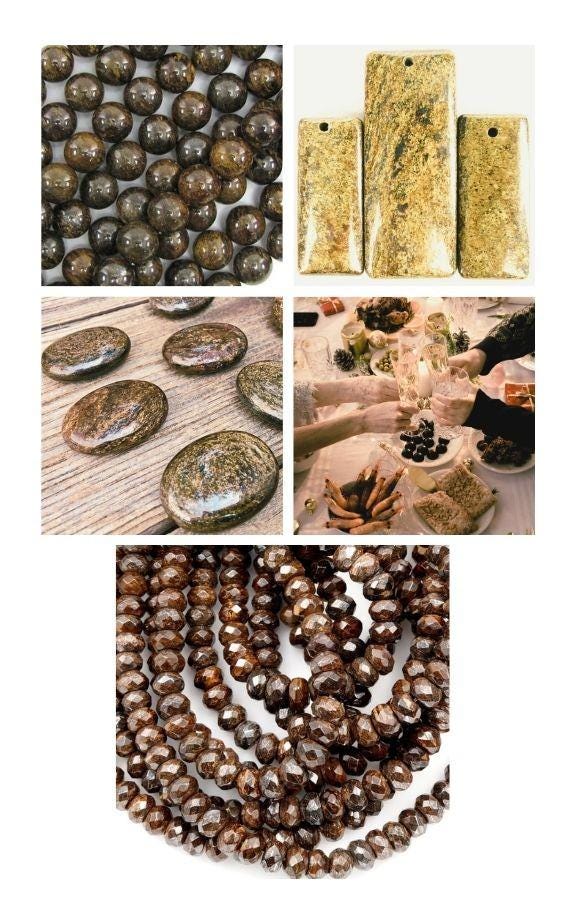
Not a lot is known about this stone. Just the same it is a beautiful rich brown stone. It is found all over the world. It can be found in igneous rocks. It belongs to the mineral group, pyroxene. Some of the rocks with enstatite in them has a golden metallic luster. Mohs Hardness of 5.5
Calcite
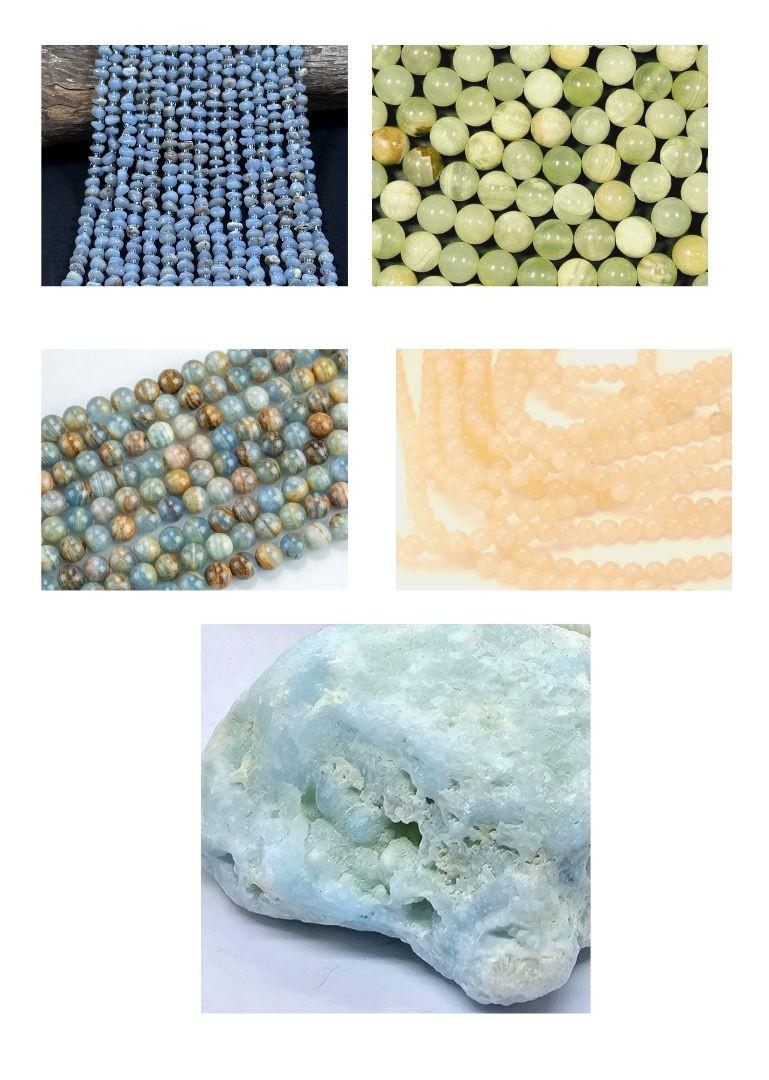
Calcite comes in many colors. It is semi translucent. It is a soft stone. It is said the stone was named nearly 2,000 years ago and the name Greek name Chalix means lime. The stone is a calcium carbonate and is found all over the world. Often found in limestone.
Mohs Hardness of 3
Carnelian
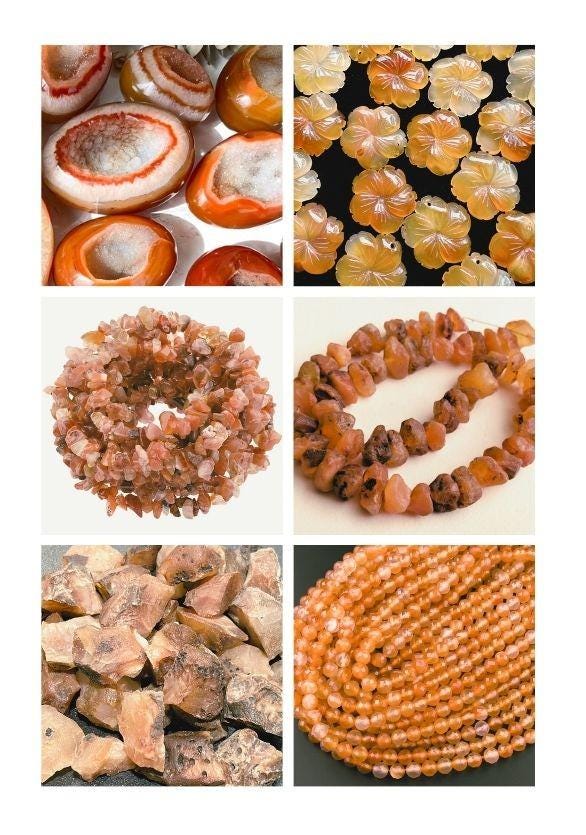
Carnelian is a lovely vibrant quartz belonging to the Chalcedony family. It comes in an assortment of colors, brown, pin, red-orange, yellow-orange and orange-brown. It comes in a variety of highly translucent to semi-opaque translucent. The stones are found is in a number of various countries, USA, UK, Germany, Botswana, Scotland, South Africa, Brazil, Egypt and Uruguay are also good sources. The name Carnelian comes from Latin word, carneus, which means Made of Flesh. There are some that feel Sard, Carnelian and Sardonyx are the same. Please view the information at Carnelian - Wikipedia this has some good information about the difference. Mohs Hardness of 6.5 to 7
Chalcedony
Chalcedony is a form of Quartz. It actually comes to us in many colors and patterns. The stone has been used for a very long time. The colors can be White, Gray, Grayish-Blue, Blue, Red, Green, Yellow, Orange, Brown which can be pale brown to almost black, Pink, Purple, Gray, Black, Banded and Multicolored. Sometimes this stone is dyed to create a vibrant colorful piece. Sometimes white Chalcedony is dyed light blue to resemble natural blue Chalcedony. This stone is abundant in the world. The name comes from the Latin name Chalcedonius. Interestingly the stone is mentioned in the Bible with other stones at Revelation 21:19-22 " The foundations of the city wall were adorned with every sort of precious stone: the first foundation was jasper, the second sapphire, the third chal·ceʹdo·ny, the fourth emerald, the fifth sar·donʹyx, the sixth sardius, the seventh chrysʹo·lite, the eighth beryl, the ninth topaz, the tenth chrysʹo·prase, the eleventh hyacinth, the twelfth amethyst. Also, the 12 gates were 12 pearls; each one of the gates was made of one pearl. And the main street of the city was pure gold, like transparent glass." I found a list of different forms of Chalcedony; I do not know if it is complete or not. Agate, Aventurine, Bloodstone, Carnelian, Chrysoprase, Jasper, Onyx, Sard and Sardonyx, Tiger's Eye Hardness 6.5 - 7
Charoite
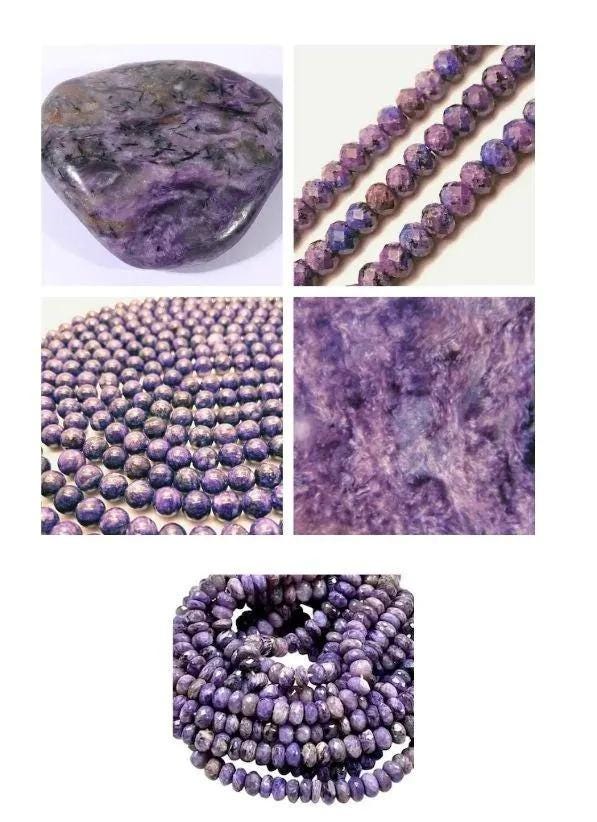
This is my favorite semi precious stone. It is stunning. The colors are spectacular with deep violet to lilac and some light brown. The fibrous crystals of this mineral, create unique designs, often with chatoyant meaning silky or pearly luster. Some have almost black swirls through them. The stone was discovered in 1947 and comes from only one area in the entire world, the River Char, Murun Mountains in Yakutia, Russia. That is where it acquired it's name Charoite. They believe it is only formed here because of the combination of unique limestone reacting with other chemicals and because of the physical conditions where it is found. The stone is expensive because of it's beauty and rarity.
Mohs Hardness of 5 to 6
Chrysanthemum Stone
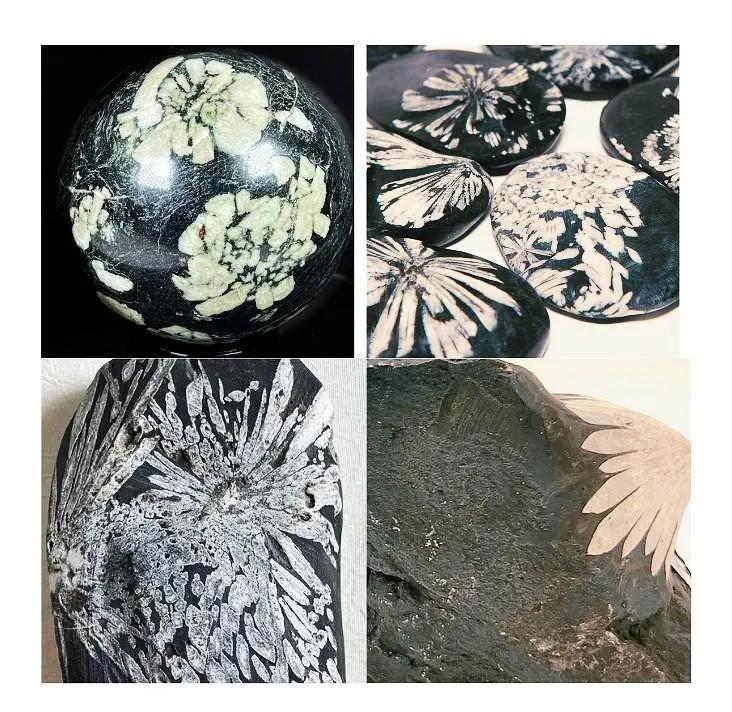
This is a beautiful stone that is sometimes called the Flower Stone because how it was created. Colored chrysanthemum stone is a natural flower in geology. The shape of the petals is lifelike, rich in layers, hard and fine in texture they are a collection of crystalline minerals. Each petal looking shape is a Rhombohedral crystal form. The mineral composition varies according to the variety of stone. An example would be a stone from Hunan Province that is mainly calcite and chalcedony with some ling strontium ore and lapis lazuli. The intact chrysanthemum stone from the naturally exposed environment has become extinct. It is a fragile and easily damaged after being changed by chemical methods. Chrysanthemum stone is a non-renewable resource, so the value will only rise.